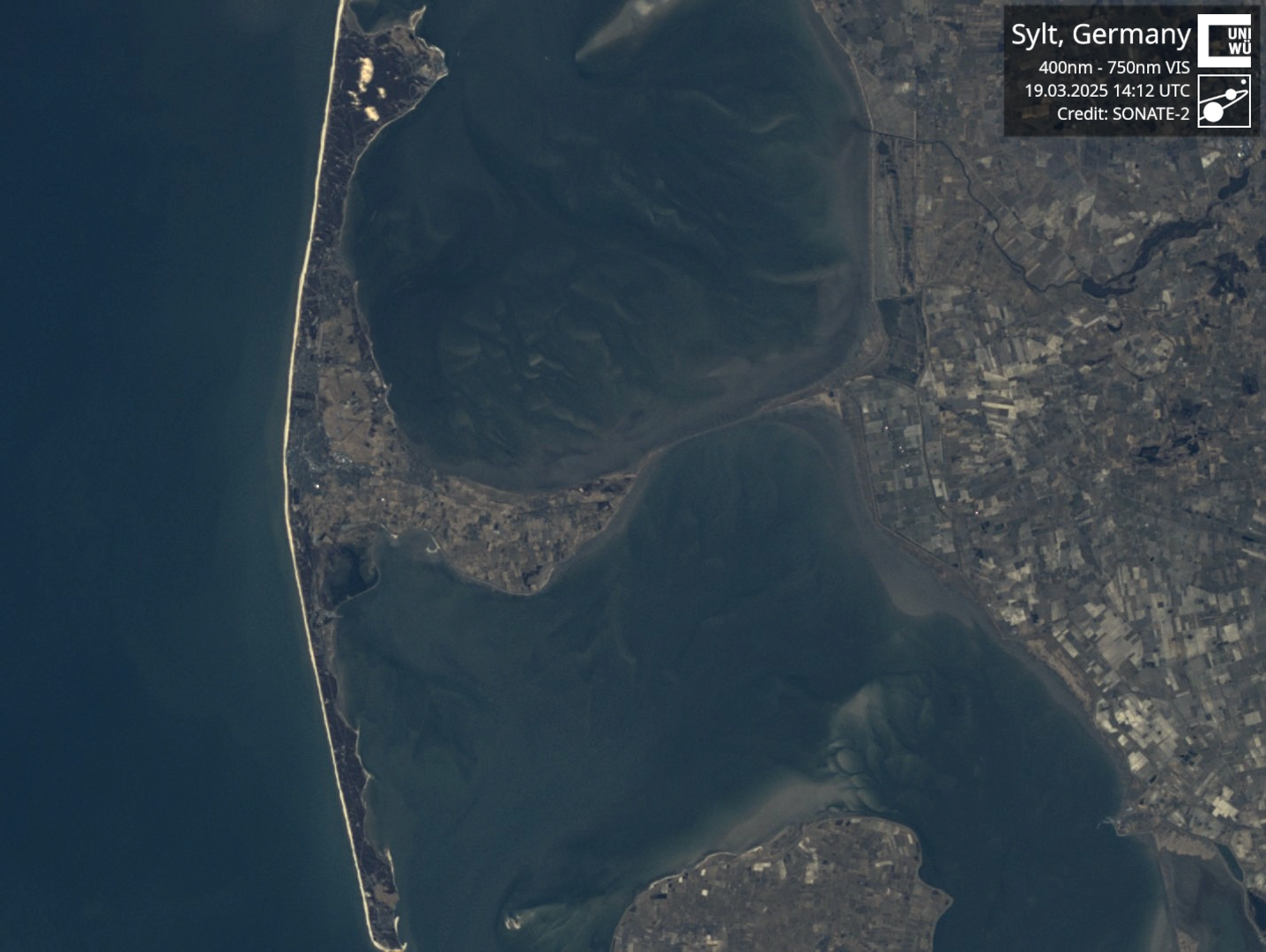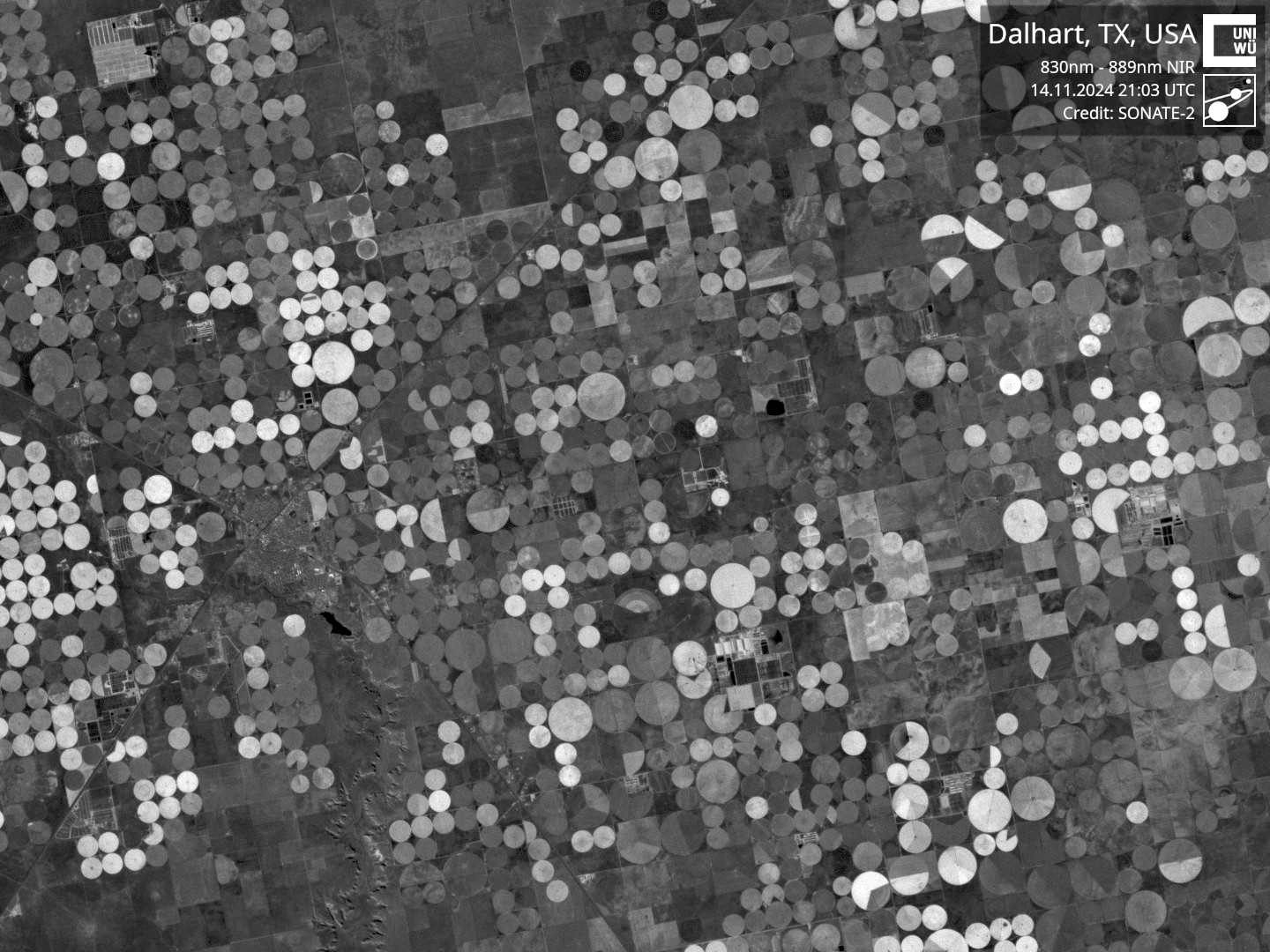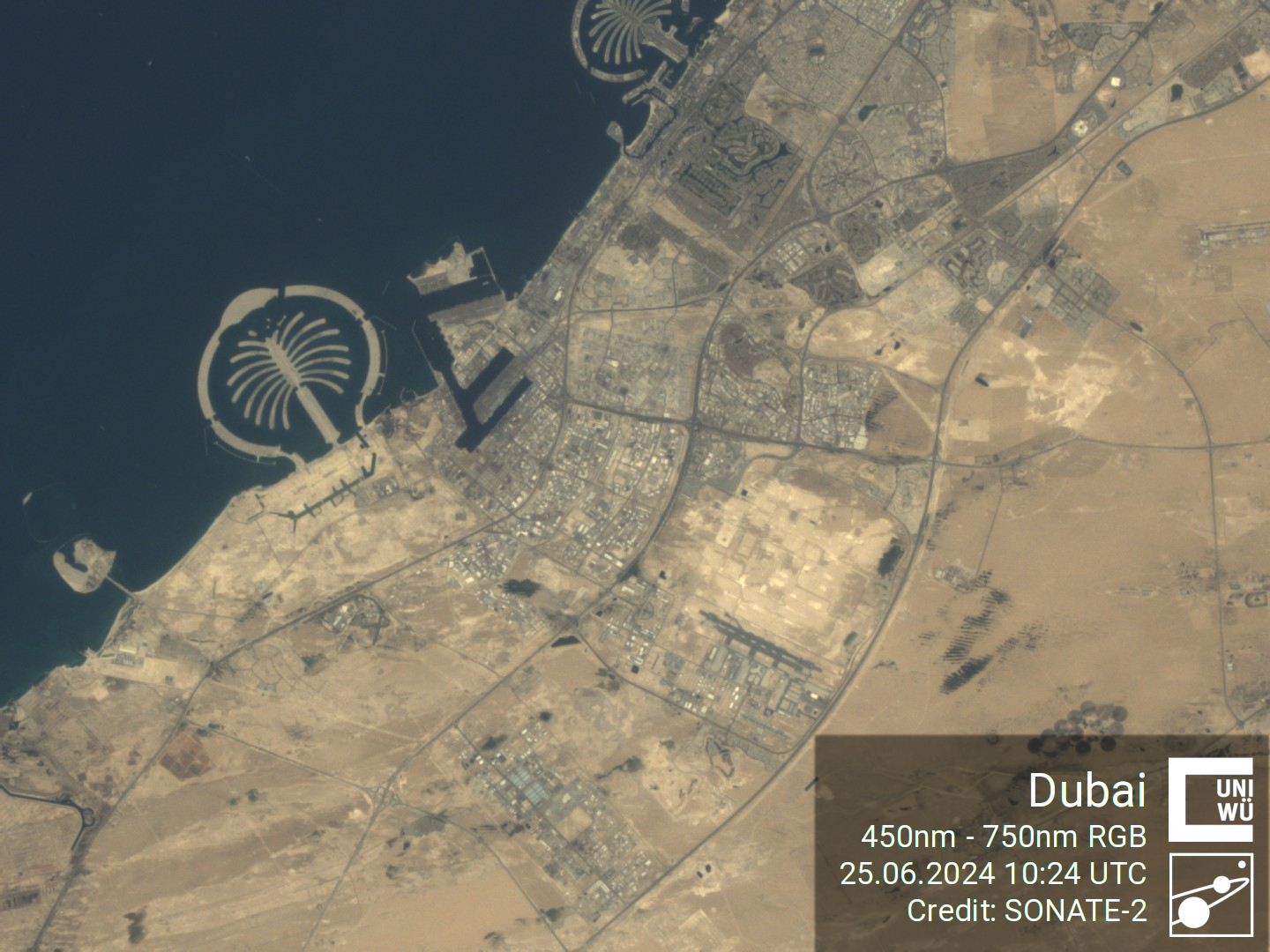
We build on a strong technological heritage shaped by significant contributions to the design, manufacturing, and operation of the SONATE-1 and SONATE-2 satellite missions of the University of Würzburg.
SONATE-2, launched in March 2024, explores the use of artificial intelligence in space within the nanosatellite class, and is still operational.
SONATE-1, launched in July 2019, demonstrated an autonomous optical payload and an advanced onboard mission-planning system before its re-entry mid-2025.
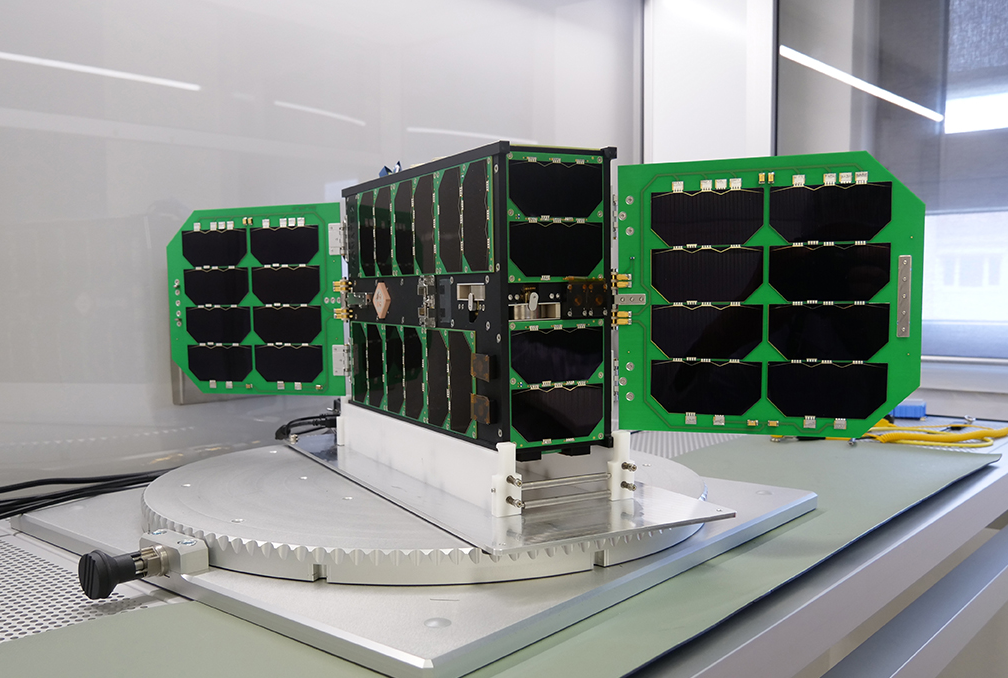
SONATE-2 in the lab before launch. Credits: University of Würzburg
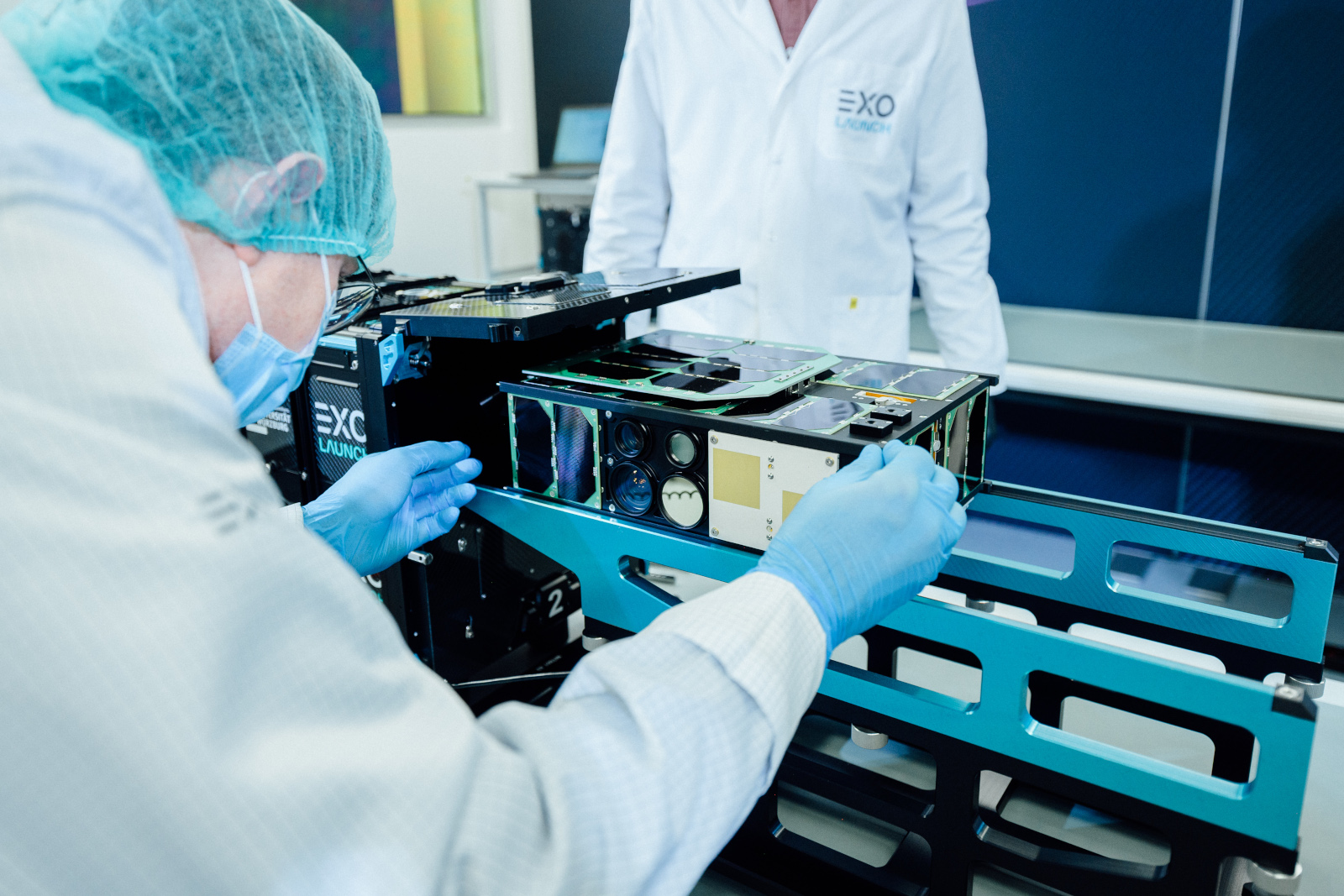
Integration of SONATE-2 into the launch container. Credits: Exolaunch
Both missions served as in-orbit validation platforms for key technologies now offered by us, including our star sensors, sun sensors, reaction wheels, and transceivers.
Through these 100% successful missions, we gained complete end-to-end expertise: from concept development and hardware design to assembly, integration, testing, launch preparation, and in-orbit operations. This hands-on experience, executed within short development cycles, reflects the true spirit of the New Space approach.
Our team has developed and operated nearly all hard- and software components independently, ranging from PC-based mission-planning systems to highly optimized microcontroller firmware running in orbit. The successful performance of our hardware and software in space forms the technological backbone of our current product portfolio and services. Our heritage demonstrates not only proven reliability but also our ability to move fast, innovate efficiently, and deliver space-ready solutions.
With this foundation, PYXIS SPACE offers robust, high-performance attitude determination technologies built on real mission experience for small-satellite customers.
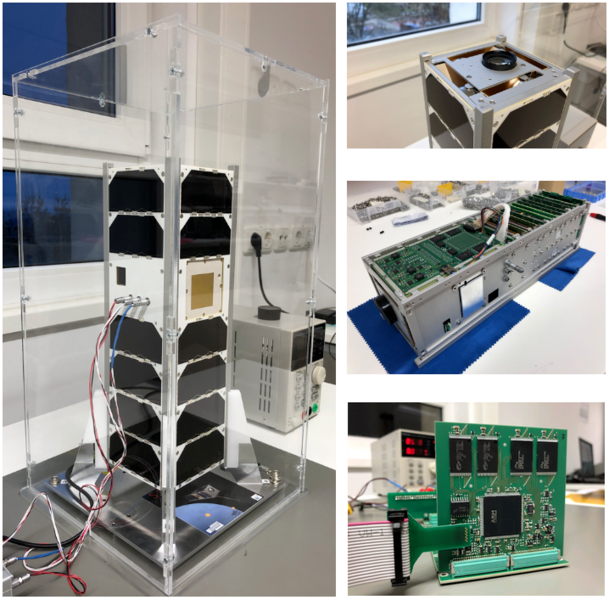
SONATE-1 in the lab during integration and testing. Credits: University of Würzburg